
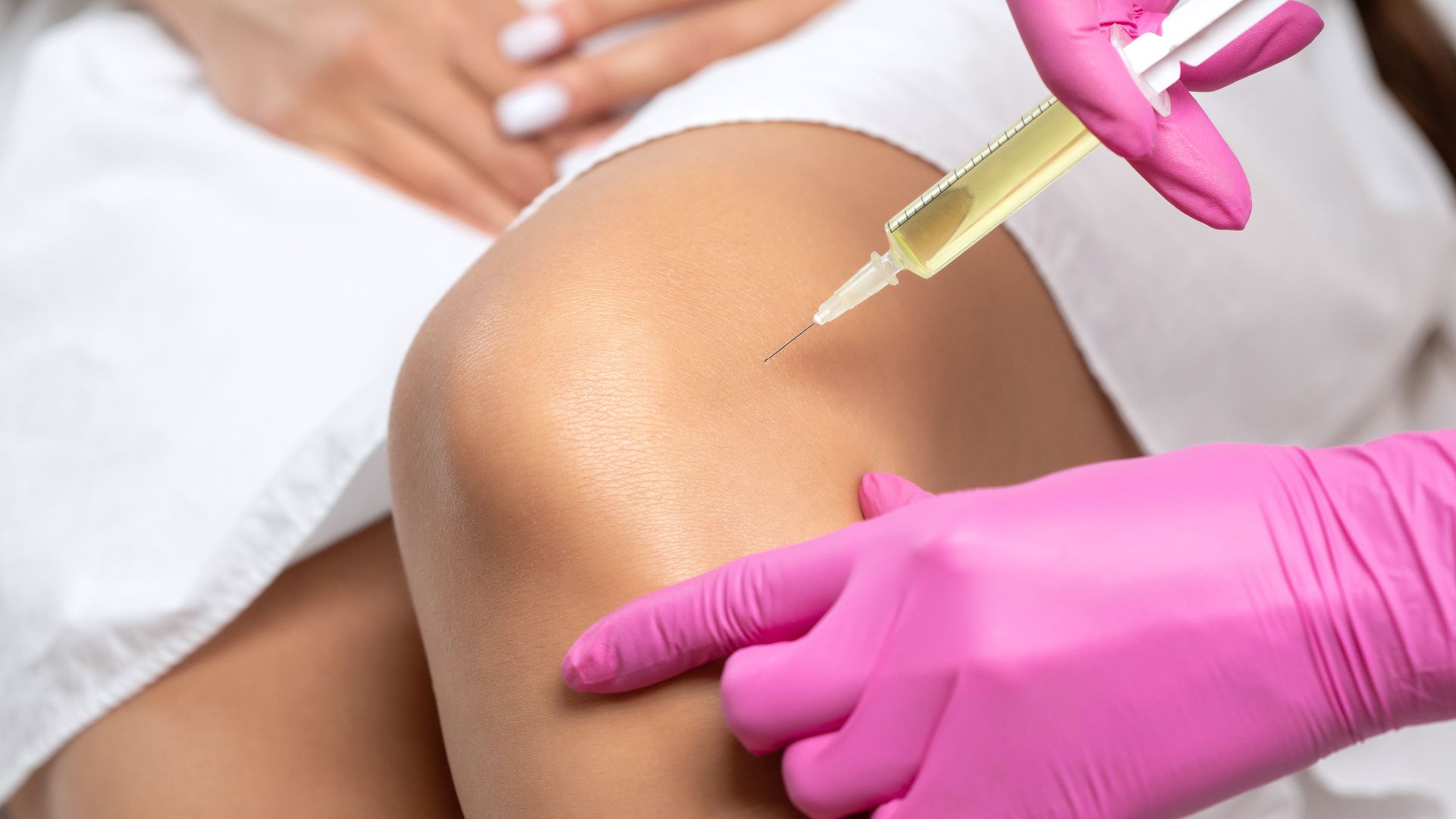
Stem cell therapy for wellness and anti-aging can help you recover from injuries more quickly and improve the visible signs of aging. However, the injection is only part of your treatment. You also need to activate your stem cells to ensure they perform optimally.
If that sounds to you like you need to enter a code somewhere to get your stem cells performing, you’re on the right track. But instead of entering a code, you can activate your stem cells with vitamins, supplements, and even diet and exercise choices.
What Are Stem Cells?
Stem cells are probably the most unique type of cell in your body.
Most of the cells in your body are specialized. They are “one” kind of cell, meaning you have muscle cells, brain cells, blood cells, and so on, but that’s the only kind of cell they can be. A muscle cell can’t become a brain or blood cell. And eventually, these specialized cells age. They stop dividing, and their functioning declines.
Stem cells, though, are unspecialized. They don’t have a specific function, meaning they have the ability to differentiate, or become another kind of cell, which can help you regenerate those specialized cells and heal. And unlike other cells, stem cells can self-renew, meaning they can make copies of themselves almost indefinitely, giving them a much longer lifespan than other cells in your body.
Are There Different Types of Stem Cells?
While all stem cells function similarly, there are three types.
Embryonic Stem Cells
Embryonic stem cells are the building blocks of every human being. They exist during the earliest stages of human development, starting as unspecialized cells that eventually differentiate and develop into specialized cells.
Adult Stem Cells
While embryonic stem cells disappear a few days after birth, people have other stem cells throughout their lives. These are adult stem cells and are found in your skin, bone marrow, and fat. Your body activates your stem cells when you need to heal or regenerate tissues throughout your body.
Adult stem cells also possess the ability to self-renew and transform into a specialized cell. However, adult stem cells are more like specialists, lacking the ability to turn into any cell in the body. For example, an adult stem cell in your skin can only become a skin cell, not a brain or muscle cell.
While adult stem cells can regenerate, they can’t do it forever. As we age, our adult stem cells slow down, gradually losing the ability to self-renew.
Mesenchymal Stem Cells
Mesenchymal stem cells (MSCs) are a type of adult stem cell. They’re found primarily in bone marrow, umbilical cords, and fat, and specialize in regenerating the body’s building blocks, like bone, cartilage, and connective tissues.
Unlike embryonic and adult stem cells, MSCs are also anti-inflammatory. In addition to tissue regeneration, they can also activate and support your immune system cells to promote healing and help surrounding cells to self-repair.
What Are Stem Cell Activators?
The science on stem cell activators is emerging, and many of the most promising results are found in lab or animal studies. However, stem cell activators are the things that improve stem cell function and encourage your body to activate them. Everything from your diet and lifestyle choices to supplements and peptide injections can be a stem cell activator.
Stem Cell Activation With Peptides
Peptides support a specific biological process in your body, encouraging your body to repair and regenerate at the cellular level. For example, copper (GHK-Cu) may improve your body’s ability to make collagen, which improves your skin’s elasticity and thickness. Some peptide stem cell activators are:
- BPC-157: has a strong ability to accelerate tissue regeneration, reduce inflammation, and support muscle, tendon, and skin regeneration
- TB-500: promotes cell migration, moving healthy new cells to damaged areas, promoting healing and reducing inflammation
- GHK-Cu: stimulates collagen and elastin production that supports skin regeneration and protects cells from age-related damage
- MOTS-c: helps cells use energy more efficiently, reduces inflammation, and may reduce some metabolic decline associated with aging
- Ipamorelin and CJC-1295: stimulate the body’s natural release of human growth hormone, which supports metabolism, sleep, and cellular repair
Stem Cell Activation Using Supplements & Compounds
Some supplements and compounds show promise as a stem cell activator, helping promote their anti-aging and regenerative properties while supporting stem cell health.
- Metformin: widely prescribed as a diabetes medication, metformin may also regulate stem cell activity and slow some markers of cellular aging
- Resveratrol: can activate sirtuins, proteins that regulate cellular repair and longevity, as well as support stem cell health
- mTor inhibitors: regulate the aging pathway, which supports the body’s natural regenerative processes and could support cellular health
Hormonal Stem Cell Activation
Hormones regulate essential functions throughout our body, including metabolism, growth, and stem cells.
- Melatonin: associated with sleep, melatonin has antioxidant properties that protect stem cell health, supporting their survival and regenerative activities
- Human growth hormone: plays a central role in stimulating growth, regeneration, and repair of cells and tissues
- Estrogen: promotes stem cell renewal by supporting the body’s ability to maintain and activate stem cell reserves after menopause
- Testosterone: may stimulate the proliferation of MSCs to help with tissue repair, muscle loss, and cellular vitality
Vitamins as Stem Cell Activators
Many vitamins act as stem cell activators, promoting their survival and differentiation abilities.
- Vitamin C: supports the reprogramming and self-renewal of stem cells
- Vitamin D: plays a key role in the differentiation and activation of MSCs and the regenerative capacity of stem cells
- Vitamin E: supports stem cell activities in aging tissue and preserves the regenerative environment that encourages stem cell function
- Vitamin A: retinoic acid helps stem cells respond to injury, supporting skin regeneration and hair regrowth
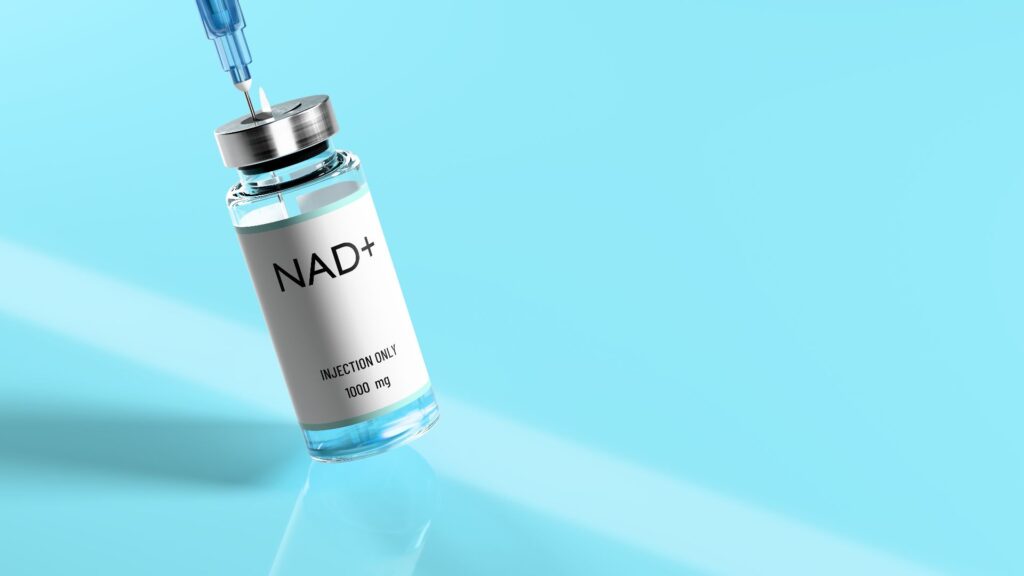
- Vitamin B3: also known as Niacin or NAD+, vitamin B3 is a precursor to NAD+, which is essential for cellular energy production and DNA repair.
Lifestyle Factors that Support Stem Cell Activation
While peptides, supplements, hormones, and vitamins all act as stem cell activators, simple dietary and lifestyle choices can also activate stem cells.
- Diet. Eating a balanced diet with fruits, green, leafy vegetables, lean proteins, and whole grains helps your body load up on omega-3 fatty acids and antioxidants.
- Exercise. It’s no secret that regular exercise gets the blood flowing, but what you may not know is that it also stimulates the production of stem cells.
- Intermittent fasting. Intermittent fasting may be a stem cell activator in that it could trigger cellular regeneration through fatty acid oxidation, which maintains stem cell integrity.
- Sleep. Getting enough restful sleep each night gives your body time to rest and repair itself.
- Cold exposure. Cold exposure (like a cold plunge) activates your brown fat stem cells, the kind that keep you warm when you get cold. As your body converts white fat to brown fat, your metabolic rate goes up, activating your immune system and stem cells.
Optimize Your Health
Stem cell activators help you get the most from all of your stem cells. Whether they’re part of your anti-aging and wellness plan or you want to support the stem cells you already have, stem cell activators ensure your stem cells work optimally for as long as they can.
With over 50 years of experience, the team at Complete Wellness and Aesthetics has been on the leading edge of stem cell therapy for wellness and anti-aging. Our stem cells are carefully sourced and processed, and we pair our treatments with the appropriate stem cell activators to ensure you get the most from every treatment. Schedule an appointment today to learn more.