

Peptides are all the rage and with good reason. They play a critical role in how well our bodies do (or don’t) function. As we age, our ability to produce peptides declines, but peptide therapy can slow this process, improving how we look, feel, and function.
But most peptide therapy isn’t covered by insurance, and the out-of-pocket cost may be too much for some, which is why people turn to grey market peptides. However, they come with risks, many of which you may not have realized exist.
What Are Peptides?
Peptides are short strings of amino acids, the fundamental building blocks of proteins. Our bodies make the peptides that play a key role in certain body processes, like immune function, metabolism, and cellular repair. For example, insulin is a peptide that helps your body regulate blood sugar and store the excess glucose in your liver.
What Are Medical-Grade Peptides?
Medical-grade peptides, also called pharmaceutical peptides, are only available with a prescription. Your doctor prescribes them to support your body’s natural process and often to address a medical condition. For example, if your pancreas can’t produce insulin, your doctor will prescribe it to help regulate your blood sugar levels.
It’s important to note that medical-grade peptides are approved by the FDA for a specific use. However, medical-grade peptides can also be used “off-label,” meaning the peptide doesn’t have FDA approval to treat a particular condition, but is often used for it. For example, semaglutide is FDA-approved to treat obesity and diabetes but is often prescribed off-label for people who are pre-diabetic and don’t meet the full diagnostic criteria for type 2 diabetes.
The other key distinction of medical-grade peptides is that they are produced by FDA-regulated manufacturers. Strict oversight ensures these facilities meet rigorous testing and quality control standards, that the peptides are made in a sterile environment, and every batch meets the same quality and production standards.
What About Compounded Versions of Peptides?
Compounding pharmacies are specialty pharmacies. They’re generally regulated by the state pharmacy board and must meet strict standards for cleanliness and record-keeping. Unlike many pharmacies that dispense mass-produced drugs, compounding pharmacies create customized medications for patients that are based on a doctor’s prescription and tailored to a patient’s specific needs.
For example, if you need a liquid or dye-free version of a particular drug but the drug company doesn’t mass-produce it, you can turn to a compounding pharmacy to make that version for you. Likewise, when your usual medication isn’t available, the pharmacy can make a compounded version to ensure your medical care isn’t interrupted.
You can get compounded versions of FDA-approved peptides. For example, semaglutide is the active ingredient in drugs like Ozempic. In certain cases, like if you need a different formulation or when commercially available semaglutide isn’t right for you, your doctor may prescribe a compounded version. To be clear, while the compounded version of semaglutide may use the same core ingredients as mass-made semaglutide, it is not an FDA-approved peptide, even when the ingredients are safely acquired and compounded.
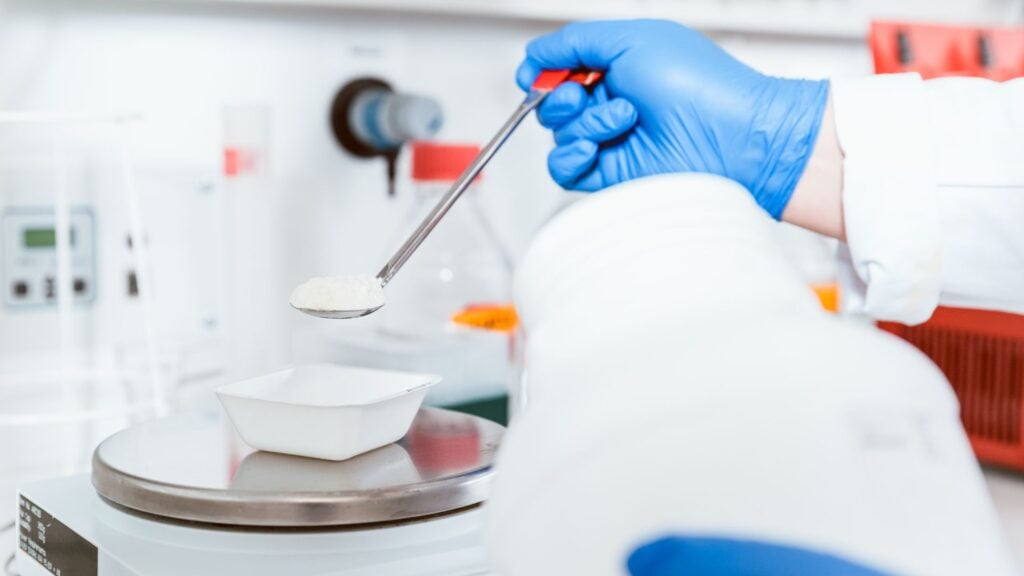
What Are Grey Market Peptides?
Grey market peptides are pitched as less expensive and easier to acquire than medical-grade or even compounded peptides, and that’s generally true. However, the reason grey market peptides are less expensive and easier to acquire is that they are generally sold outside of regulated channels.
The labs and facilities that produce these peptides often aren’t subject to FDA or even local oversight. As a result, these manufacturers may lack safety data, quality control, and standardization, making it difficult to know if the peptide you’ve ordered is safe to use.
What’s more, grey market peptides are not approved for human use, which is why they’re often labeled:
- Research only
- Lab grade
- Research peptides
a clear warning that these are not intended to be injected into your body.
Why Is Using Grey Market Peptides Risky?
People may turn to grey market peptides because they want to use them off-label or they can’t afford the FDA-approved version of the drug, even with insurance. While grey market peptides may be less expensive and easier to get than medical-grade peptides, they come with several risks.
Lack of Oversight
While many medications we use are made in overseas labs or manufacturing facilities, these providers are subject to the strict regulatory oversight that ensures every medication is made in a safe, sterile environment. Many grey market peptides are not created in these types of facilities. If they were manufactured in unsafe or unsterile conditions, you risk exposing yourself to serious harm or injury.
What’s more, regulated facilities have strict quality control measures in place. Beyond ensuring the drugs they produce are safe and sterile, the quality control ensures every batch is consistent. It doesn’t matter if you get the first, twentieth, or last batch. Every single one meets the same production standards.
Pure Isn’t the Same as Safe
Many facilities advertise that their product is 100% pure, meaning if you order semaglutide, you’re getting 100% semaglutide. If you’re not convinced of the purity, you can send your peptides to an independent testing facility to check. But relying on purity alone doesn’t mean the peptide is safe to use.
Most purity tests only look for the peptides, meaning they confirm that the peptide you ordered is the one you received. They generally don’t tell you if your order is contaminated with bacteria or heavy metals. And because many of the grey market peptide facilities don’t have strict quality control standards, every peptide order you receive may be slightly different. Each dose may be 100% pure, but it may have more or less peptide than the next, and small changes in dosing levels can impact how well the peptide functions.
Can’t Verify Safety
One of the biggest risks of purchasing and using a grey market peptide is the risk of bacterial endotoxins. Bacterial endotoxins are toxic compounds released by some bacteria (E. coli, Salmonella) when they break down, meaning that even when the bacteria are gone, the toxin can remain.
Endotoxins aren’t visible or removed by standard sterilization practices (like heat), so even a product that looks fine and seems sterile could be contaminated. Just a small amount of a bacterial endotoxin could cause fever, chills, or inflammation, but in more serious cases, it can cause a dangerous drop in blood pressure or sepsis-like reaction where your body overreacts to the endotoxin.
Any drug that’s produced in unsafe or unsterile conditions runs the risk of being contaminated with a bacterial endotoxin. And while most peptide purity testing doesn’t look for bacterial endotoxins, one independent peptide testing company, Finnrick, found that approximately 8% of all the peptides sent to them for testing had endotoxins.
Even if your peptides aren’t contaminated, it’s important to remember that they are finicky. Peptides start to break down if they are held at too high or too low a temperature. If they’re shipped to you without appropriate temperature controls, they can become unstable, something you may not be able to visually identify.
Reconstituted peptides (taking it from powder form to injectable) require the right combination of solvents, temperature control, and mixing to create a stable and safe injectable peptide. Even a slight misstep during reconstitution could create the conditions that cause an abscess at the injection site or a more serious infection throughout your body.
Lack of Follow-Up
Finally, the ease and convenience of getting whatever peptides you want whenever you want sounds appealing. However, DIYing your peptide therapy means no one is checking for drug interactions or monitoring you for an allergic reaction or side effects.
Sourcing Matters
Grey market peptides seem like a good alternative to medical-grade and compounded peptides. They tend to be less expensive and are often easier to get a hold of. But this ease and price point come with serious risk and costs beyond a dollar figure. Without the proper oversight, you could receive a batch of peptides that don’t work as intended or that make you sick.
At Complete Medical and Wellness, we source our peptides from FDA-regulated facilities. All of our peptides are medical grade and compounded under strict guidelines to ensure the safety and sterility of each and every injection.
Contact us today to schedule a free consultation to learn more about our peptide therapies and how they can optimize your health.