
When you’re considering regenerative treatments for wellness and aesthetic purposes, you’ll often run across exosomes and stem cell therapies. These treatments may target the same concerns, like aging or injury recovery, so you may think there’s no distinct difference between exosomes vs. stem cell therapies.
While both are regenerative therapies, they don’t work in exactly the same way. Stem cell therapies are better targeted for some concerns, while exosomes are the right choice for others. And in some cases, you may want to choose both therapies.
What Are Exosomes and How Are They Different From Stem Cells?
While exosomes and stem cells are both used in regenerative therapies to support and promote the body’s natural healing abilities, they don’t play the same role. The easiest way to explain the difference between exosomes vs. stem cells is to think of stem cells as builders and exosomes as coordinators.
Every cell in your body produces exosomes. They carry the proteins, RNA, and factors (like anti-inflammatory factors or growth factors) that a cell creates to other cells in your body. It’s what helps every cell communicate and coordinate its behaviors to respond to changes in your body.
The type of cellular changes that happen depends on the type of cell producing the exosome. For example, immune cell exosomes may promote immune responses and reduce inflammation, while skin or muscle cell exosomes may support tissue maintenance and repair.
Stem cells have the unique ability to develop into almost any other cell in your body (differentiate), but they are no different from the rest of your cells in that they also produce and release exosomes. However, stem cell exosomes tend to carry signals associated with tissue repair and cell regeneration, supporting your body’s natural ability to heal itself.
How Are Exosomes Similar to Stem Cells?
While exosomes and stem cells work differently, both are used in regenerative therapies because they target many of the same processes.
Enhance Body’s Natural Healing
Exosomes and stem cells respond to injury and stress differently but share the same goal of supporting your body’s natural healing processes.
Stem cells play an active role in repairing and healing your body, differentiating into new cells that can replace damaged tissues. At the same time, they release signaling molecules, including exosomes, that help coordinate the repair process.
Exosomes play a supporting role in healing. They carry the proteins, lipids, and RNA that influence how other cells behave, helping regulate inflammation, activating repair pathways, and supporting tissue regeneration at a cellular level.
Influence Inflammation and Cellular Activity
Inflammation is a necessary and expected part of healing, but prolonged or excessive inflammation can slow your recovery and contribute to chronic conditions. Stem cells and exosomes can regulate your body’s inflammatory response, bringing your natural healing process back into balance.
Stem cells can release signaling molecules, like anti-inflammatory factors, that interact with immune cells, helping reduce excessive inflammation and shifting the body into repair mode.
Exosomes support this process by delivering the same types of signals directly to surrounding cells, influencing how immune cells respond and encouraging damaged cells to start repairing themselves.
Support Overall Wellness
Because exosomes and stem cells impact many of the same processes, they’re often used in similar wellness and clinical treatments to support the underlying repair and recovery process, instead of relieving symptoms. Exosomes and stem cells can both:
- Treat chronic pain
- Heal soft tissue injuries
- Support recovery following overuse strains and injuries
- Be used in aesthetic applications (skin rejuvenation or hair restoration)
Minimally Invasive
Exosome and stem cell treatments are both generally minimally invasive procedures. Delivered as targeted injections or topical applications, they require no surgery and have minimal to no downtime.
Head-to-Head: Exosomes vs. Stem Cells
While exosomes and stem cells are used in similar wellness treatments and support your natural healing processes, they are not interchangeable. Depending on your goals and the treatment area, the choice between exosome vs. stem cells comes down to how well each works within your body and the level of repair you may need.
Skin Rejuvenation
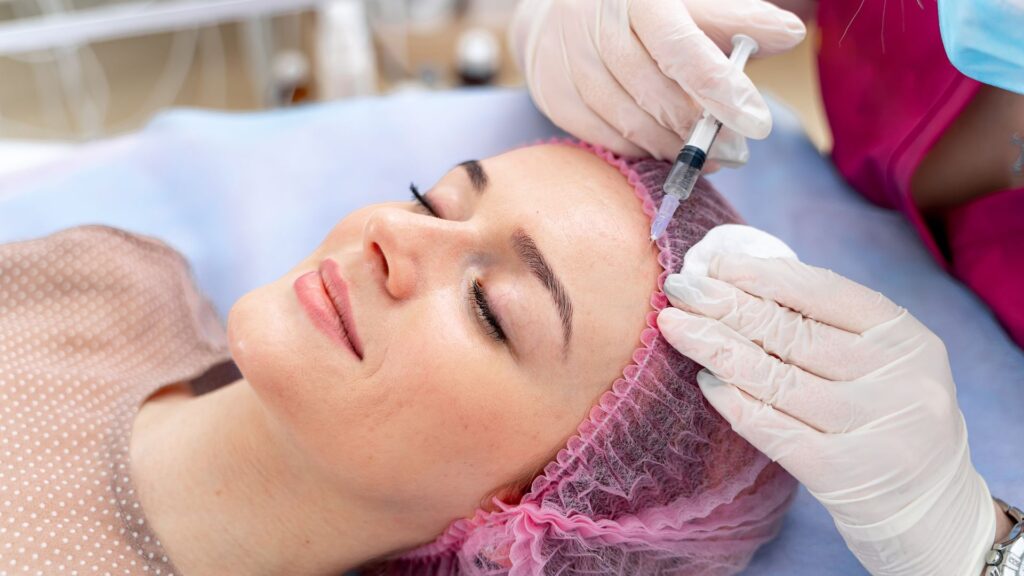
Exosomes are often the preferred treatment for skin rejuvenation thanks to their ability to target cellular signaling without introducing living cells. They deliver growth signals that can stimulate collagen production, improve skin texture, and support skin renewal. Exosomes are commonly used in conjunction with other aesthetic treatments, like microneedling or laser therapy, to enhance results at a cellular level.
Hair Restoration
Stem cells and exosomes are both used in hair restoration, but because they work differently, the choice between exosomes vs. stem cells comes down to the severity of hair loss and overall scalp condition.
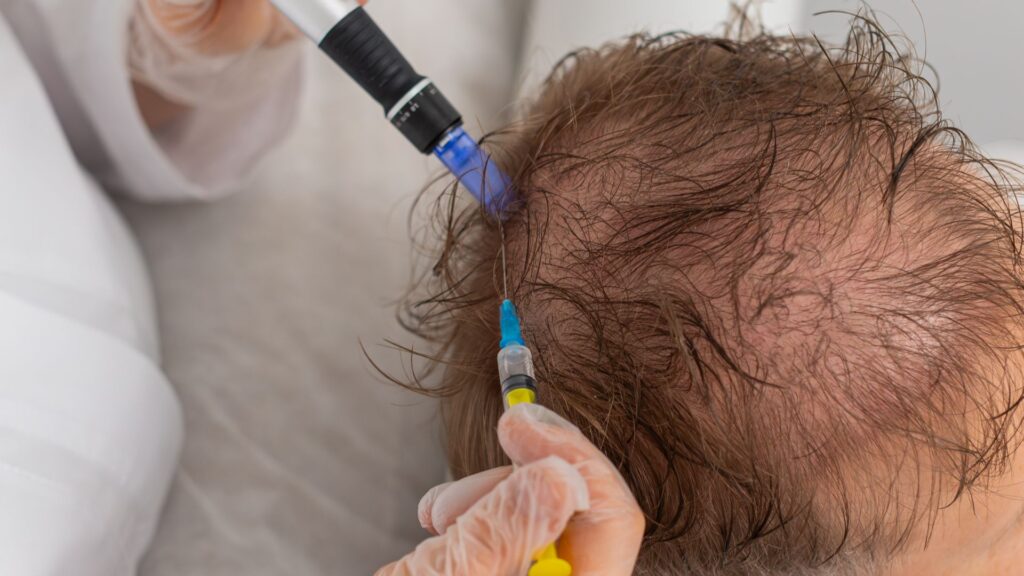
Exosomes help stimulate dormant hair follicles by delivering growth signals that encourage hair follicles to reenter the growth phase while improving overall scalp health. Stem cells may play a broader role in hair restoration by supporting tissue around the follicle, helping improve blood flow and cellular activity for long-term follicle health.
Scar Healing
Scar tissue forms when the body prioritizes speed over precision. Instead of restoring “normal” tissue, the body forms dense, disorganized collagen that’s thicker, less flexible, and functionally different from the surrounding skin. It also lacks the normal signaling, blood flow, and cellular organization found in healthy tissue, making scar tissue difficult to treat.
For surface-level scars, exosomes may be an effective option. They may improve the appearance and quality of scar tissue by delivering signals that encourage more organized collagen remodeling and support a more structured tissue regeneration process. Deeper or functional scars, where the underlying tissue or movement is affected, may be better served by stem cells, as they participate more directly in rebuilding the impacted tissues.
Wound Healing
Though exosomes and stem cells support the body’s natural wound healing process, they do so differently.
Exosomes support the signaling phase of healing, regulating inflammation, prompting cells to repair the area, and promoting the transition from inflammation to repair. Stem cells more directly support healing by regenerating tissues and replacing damaged cells.
Deep Tissue Regeneration
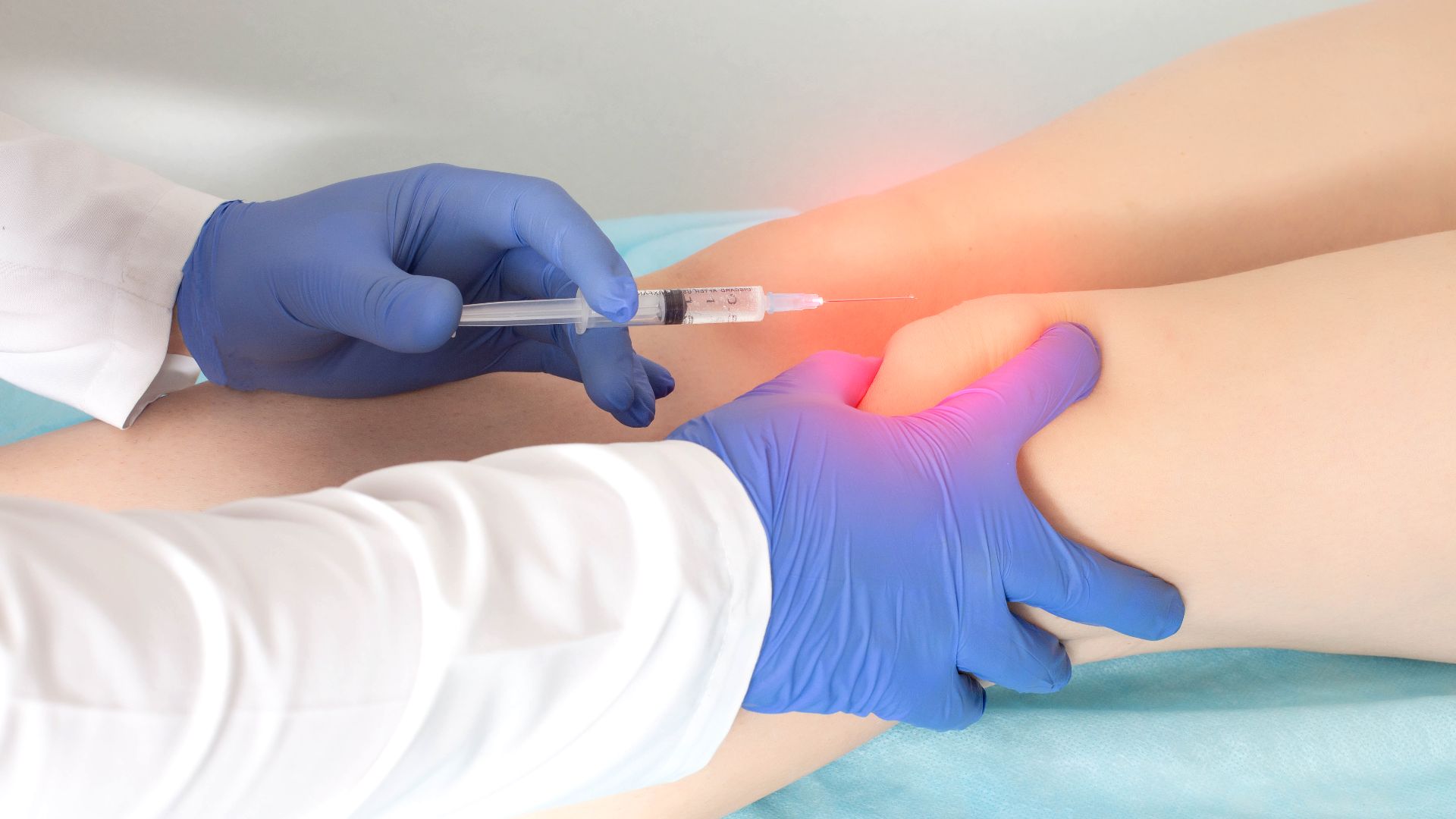
For deeper or more complex concerns, like joint issues or ligament injuries, stem cells may be the better choice.
These conditions often involve structural damage that the body may not be able to repair efficiently without assistance. Stem cells can support regeneration by differentiating into the necessary cell types to actively repair damaged tissue.
Exosomes may still play a role in deep tissue regeneration by improving the healing environment. They may reduce inflammation, support cell signaling, or enhance recovery, but they do not replace or rebuild damaged tissue.
Safety
Exosomes and stem cell treatments are generally performed in outpatient settings and generally well tolerated. However, their safety protocols differ and depend on several critical factors.
Stem cells are living cells, which means their behavior in the body must be carefully controlled. Factors such as how the stem cells are sourced, processed, and administered can impact the outcome. Exosomes are not living. They don’t replicate or differentiate, which can reduce certain risks and make their effects more consistent in certain treatments. However, the safety of exosomes still depends heavily on how they’re sourced, purified, and handled.
Whether you choose exosomes vs stem cells, the most important safety factors to ask your provider about are:
- The source and quality of the materials
- How the materials are processed and stored
- The provider’s experience and protocols
It’s important to note that, as of now, neither exosome nor stem cell therapies have broad FDA approval for aesthetic or wellness treatments. That doesn’t mean the therapies aren’t being used effectively — they are — and there’s a growing body of research to support their use. However, this makes selecting an experienced, knowledgeable provider crucial, no matter which therapy you choose.
Can Exosomes and Stem Cells Be Used Together?
Exosomes vs stem cells are often compared as separate treatments, but it’s not always an “either or” situation. Exosomes work at the signaling level, regulating inflammation and priming the cells to repair. In a sense, exosomes create the conditions that support and promote efficient healing. Stem cells work at the structural level, differentiating into the needed cell types and directly repairing tissue.
When used together, exosomes and stem cells complement each other and play an active role in supporting a comprehensive approach to wellness and antiaging.
The timing and combination of treatment will vary for each individual, based on the condition, concerns, and desired outcomes. But ultimately, the goal isn’t to choose one or the other. It’s to understand how your body needs to heal and match the treatment plan to support it.
Optimal Support for Optimal Wellness
While exosomes and stem cells work differently, both support healing, but in fundamentally different ways. Stem cells are active in the repair process, while exosomes coordinate the process. Depending on your health goals, you may need stem cells, exosomes, or both.
No matter which treatment protocol you choose, working with a knowledgeable and experienced provider ensures you get the results you’re looking for. The team at Complete Wellness and Aesthetics has over 50 years of combined experience working with exosomes and stem cell therapies. They’ll collaborate with you to ensure your treatment plan is unique to you and helps you achieve optimal results. Schedule your appointment today.